Me and Ryer working on a “dive” behavior with the long target pole.
This is a good example of how the behaviors people often like to malign as ‘forced tricks’ are entirely voluntary. Look how eagerly Ryer waits for that cue and then dives for the target.
Cool thing I learned:
A lot of these “tricks” are actually to help provide quality care for animals in the least stressful way possible
For example, trainers at the Minnesota Zoo train bears to touch their noses to batons (much like the otter is doing in the video) so that zookeepers can examine the bears without handling them. Getting bears to turn their heads, stand on their hind legs, or turn around helps zookeepers get a good look at how the bears look and move (which is important to monitor their health).
Baton training also provides the most amount of safety to trainers as possible, and bears willfully play and enjoy the activities and the treats that come with them.
Baton training also helps bears get vaccinated. Without being distracted by an activity and willfully exposing their sides to the trainers, bears would have to be tranquilized to receive their immunizations. That puts a lot of stress on the bear’s body and can be a traumatic experience.
When bears are distracted and happy, zookeepers can give them a quick shot and the bear hardly notices!
So yeah training can be for purposes that benefit the animals, not just for entertainment. But training could also be an enrichment activity that offers mental stimulation.
This is such a great explanation of all the husbandry training that we do. Some examples of husbandry behaviors in disguise that we have:
Dive: it gives the otters exercise, and it could be used for future research such as breath holding time, how swimming effects heart rate, etc so that we can keep learning more about these animals and their physiology.
Retrieve or Fetch: looks like just fun, but it can actually be used for animal safety. If a foreign object gets into the exhibit we can ask them to retrieve it so we can safely remove it.
Full Body Tactiles (touching them full handed on their back): looks like we are just petting the otter and showing off how much trust we have (which like yes kinda but keep listening), but actually it allows us to check body condition and feel for any lumps or swelling on their back. It can be great early detection for tumors, spinal problems, and hidden scabs.
I work at a zoo and the keepers are incredible with training. It is so so useful. By being able to do more veterinary-related conscious, the less stressful it is for the animal.
Once, it was before i started but, they even managed to get a full blood sample from the tail of a conscious tiger – purely by using his training. Its not for fun or show, its genuinely makes it easier and less stressful for everyone/every animal involved.
It’s also for the animals’ fun, no? Like it would be terrible for us to keep these animals without seeing to their mental health and happiness. Learning things like this is a chance for them to exercise their cleverness in determining what the keeper is trying to teach them, and practicing them just looks like it’s fun for that otter.
🙌 TOTALLY. Training is also a form of enrichment. Getting animals to problem solve and use their brains is fun for them and incredibly stimulating. Sometimes we train them to do simple useless things just because having them learn new things is also good for them.
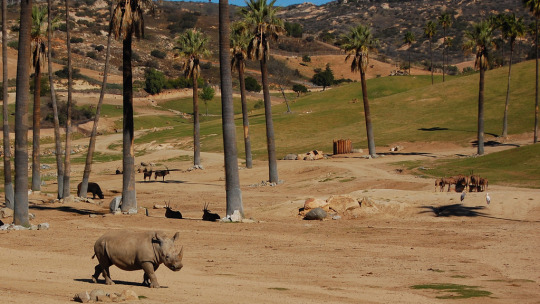
Good zoos do not keep their animals in “tiny spaces” with no enrichment. I’m not pro-roadside zoo. I’m pro-accredited zoo. Zoos are incredibly important for conservation and education.
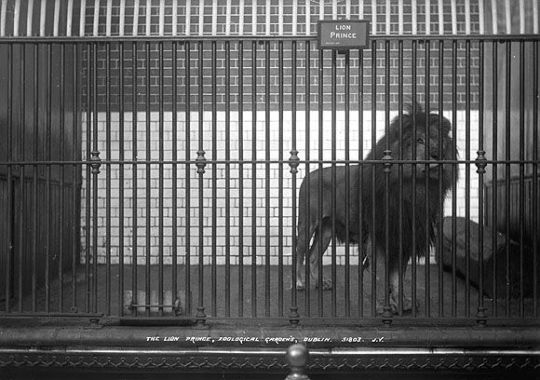
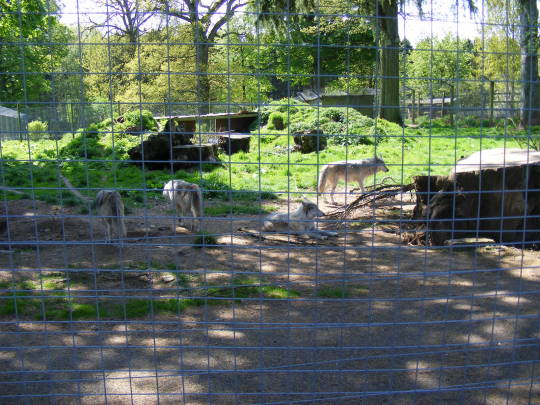
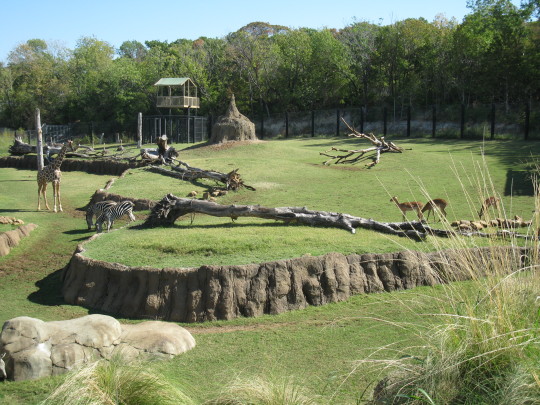
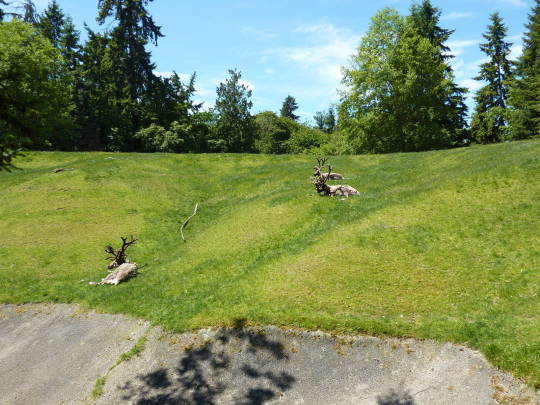
There should be way more pictures of modern zoos so i just add some more
Seriously zoos do so much important conservation work as well I hate when people shit all over zoos as if the animals are locked up and not looked after
The SF Zoo has two sea lions. Now, if you know SF, you know that sea lions are a Thing. They’re all over Pier 39 and various other beaches in N California. In fact, the zoo is near the ocean, so there are sea lions not 200 yards from the zoo entrance. So having sea lions in the zoo seems sort of superfluous.
Except the sea lions are blind. One was found as an adult after suffering a gun shot wound to the face that destroyed his eyes. The other was found as an adolescent, weak and starving because it had been blinded and unable to hunt. So they were rescued and introduced and the zoo built them a nice pool where they can swim and sunbathe and people toss them fish. It’s not the biggest exhibit, or the fanciest. But it’s a home for them, where they’re safe and well fed. Sea lions aren’t the most romantic of animals, but they’re a part of SF culture and a lot of us have a soft spot for the loud, bulbous things. And because of zoos, these two get to live long, happy lives.
Whenever anyone complains about zoos, I think about Silent Knight and Henry.
I think it’s St. Louis zoo that is saving big cats in Africa. Scientists couldn’t figure out what was killing off the local lion population. They were dying off from Canine Distemper. The local unvaccinated dogs of the towns would spread the disease to other animals or have it themselves. When the lions ate the infected animals they would catch it as well. You know what that Zoo is doing to stop this disease? They are going over to those towns and vaccinating the dogs for free. The community loves it and people from other villages comes for miles to get their dogs vaccinated as well.
They also do work with camel populations because the local human population use the camels for food sources the zoos help monitor the camels health.
Another zoo, I want to say it’s the Oregon zoo but don’t quote me on that, is helping female inmates. The zoo works with the female prisons by encouraging the inmates to assist in the breeding and raising of endangered species of butterflies. They plant the specific plants that the butterflies and catapillars need, raise them, and release them. These inmates get noted in any scientific journals that get published. They are giving these inmates a sense of accomplishment and validation.
Zoos not only save species but bring together and assist communities in an effort to save the environment. Zoos, good zoos, are essential to the future and I will fight anyone who tries to say otherwise.
PS you don’t see PETA doing any of this.
One of the local zoos in my area at one point rescued a bald eagle that had been shot and kept it in the zoo to let it recuperate until they freed it again. Some of the zoos in my state will keep injured animals there until they heal again.
Helsinki Zoo is the world leader in snow leopard and Amur leopard conservation, in their care these endangered species have managed to breed more than anywhere else in captivity and this in turn has enabled the re-introduction of these animals back to their native habitats. https://www.korkeasaari.fi/helsinki-zoo/
I work at a zoo that is instrumental in the California Condor recovery program (among dozens of other conservation projects). We went from 42 surviving individuals left to over 400, over 200 of whom are in the wild. We’re part of the amur leopard species survival plan with two young animals who are eagerly attempting to make babies. We host one of North America’s only bachelor troops of western lowland gorillas, preserving the social structure of wild gorillas. All of our bald eagles are rescues who would not survive in the wild. All our keepers participate in field research and conservation work in addition to a full time team of conservationists. We host the most genetically valuable male Masai giraffe in North America, who has sired 5 offspring with 1 on the way, increasing the genetic diversity of his entire species. If you’re against zoos, you don’t know what zoos do.
Zoos are SUCH an important resource in keeping so many amazing animals from dying out ❤



 SourFlame