Of all the many wonderful, complex characters in Fullmetal Alchemist, I find that Izumi Curtis is one of the most nuanced and original, both within the series and in the shounen manga field. In a genre full of dead mothers and overbearing harpies, Izumi stands apart as a physically and magically talented fighter who is also an “ordinary housewife”; she has, most unusually for a shounen manga female character, survived not only childbirth but also an horrific, failed attempt to resurrect her dead baby.
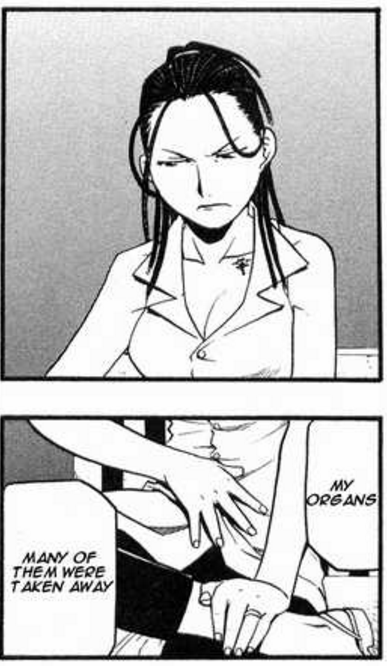
She is chastened but not broken by the experience. Izumi is the only female alchemist within the series to have seen “the Truth.” Her payment is highly gendered – I take “my organs” (or “some of my insides,” as another scanslation group renders it) to mean her womb and ovaries. And she is the only character whose payment is neither returned nor compensated for with automail or a surrogate body*.
I think it is so gutsy (no pun intended) of Arakawa to have Izumi remain in this state. It feels so radical to see a woman whose worth extends far beyond her ability to give birth. Who lost a child but still finds meaning in her family, work, and community. Who has a fulfilling life but still mourns for and thinks about her lost baby, even after her guilt is assuaged. In another author’s hands, Izumi would be long dead, a woman with no value beyond her womb, existing only to provide fodder for another character’s development. Or she would be a villain, a broken woman madly hungering for what she cannot have. Or she would have her organs restored, and be shown pregnant or holding a newborn at the series end. Instead, Arakawa gives us a female character who is both happy and wanting, powerful and poignant, and presents those dualities as valid, inseparable aspects of a whole.
*Within the context of the FMA universe, adoption is shown as an option, but one which the Curtises appear not to have pursued. Surrogate pregnancy, I believe, is not discussed within the series.
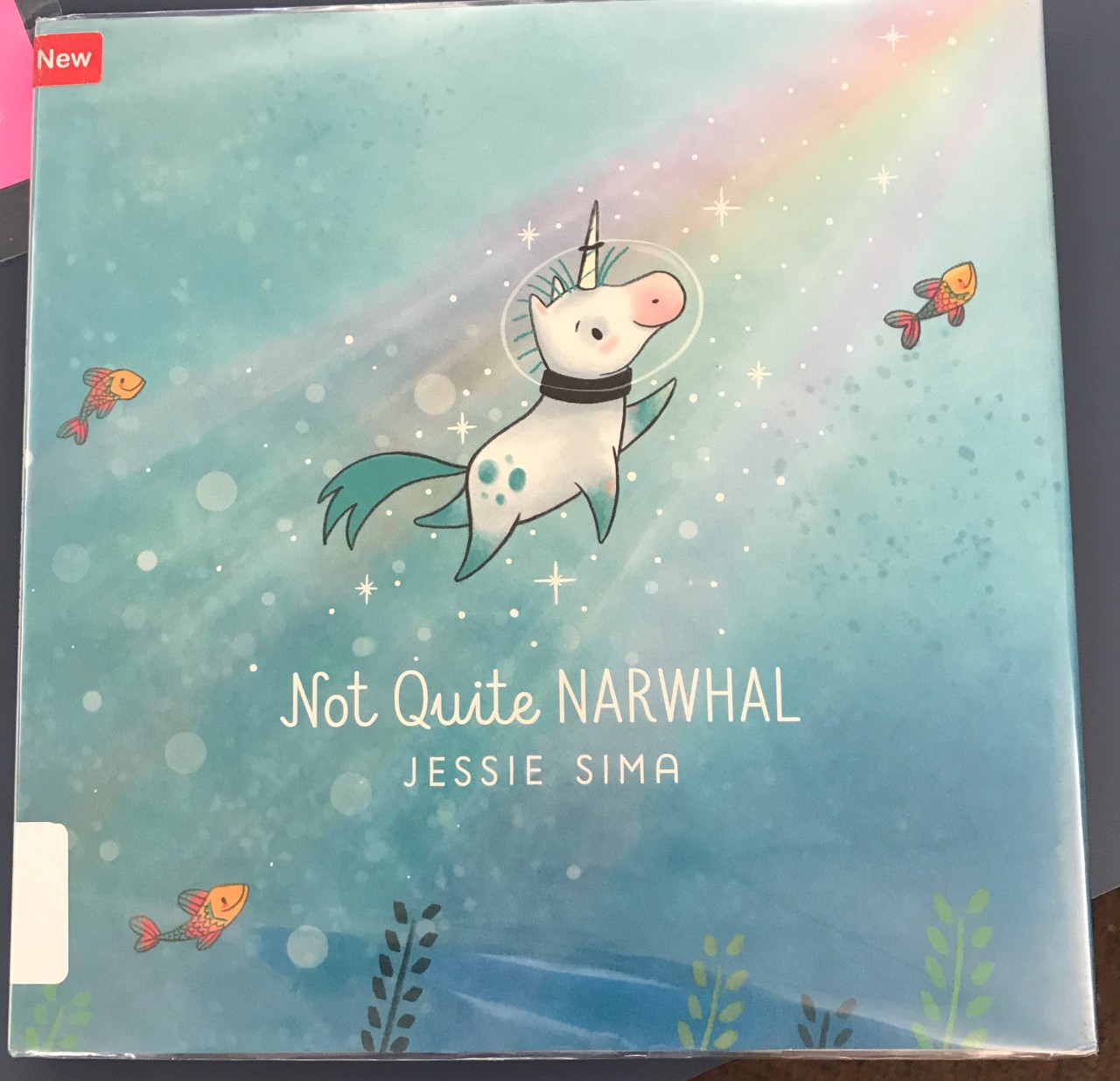
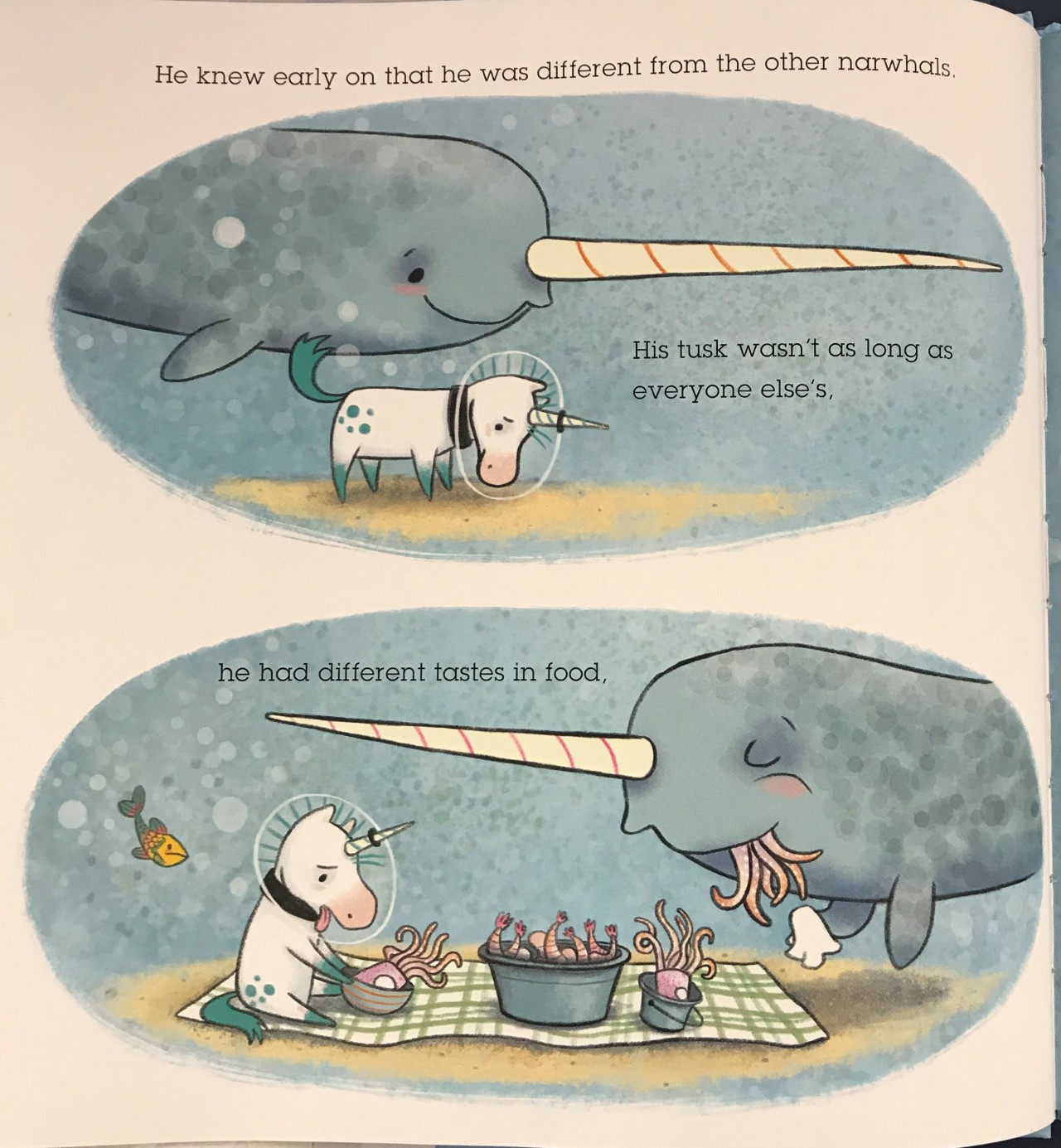
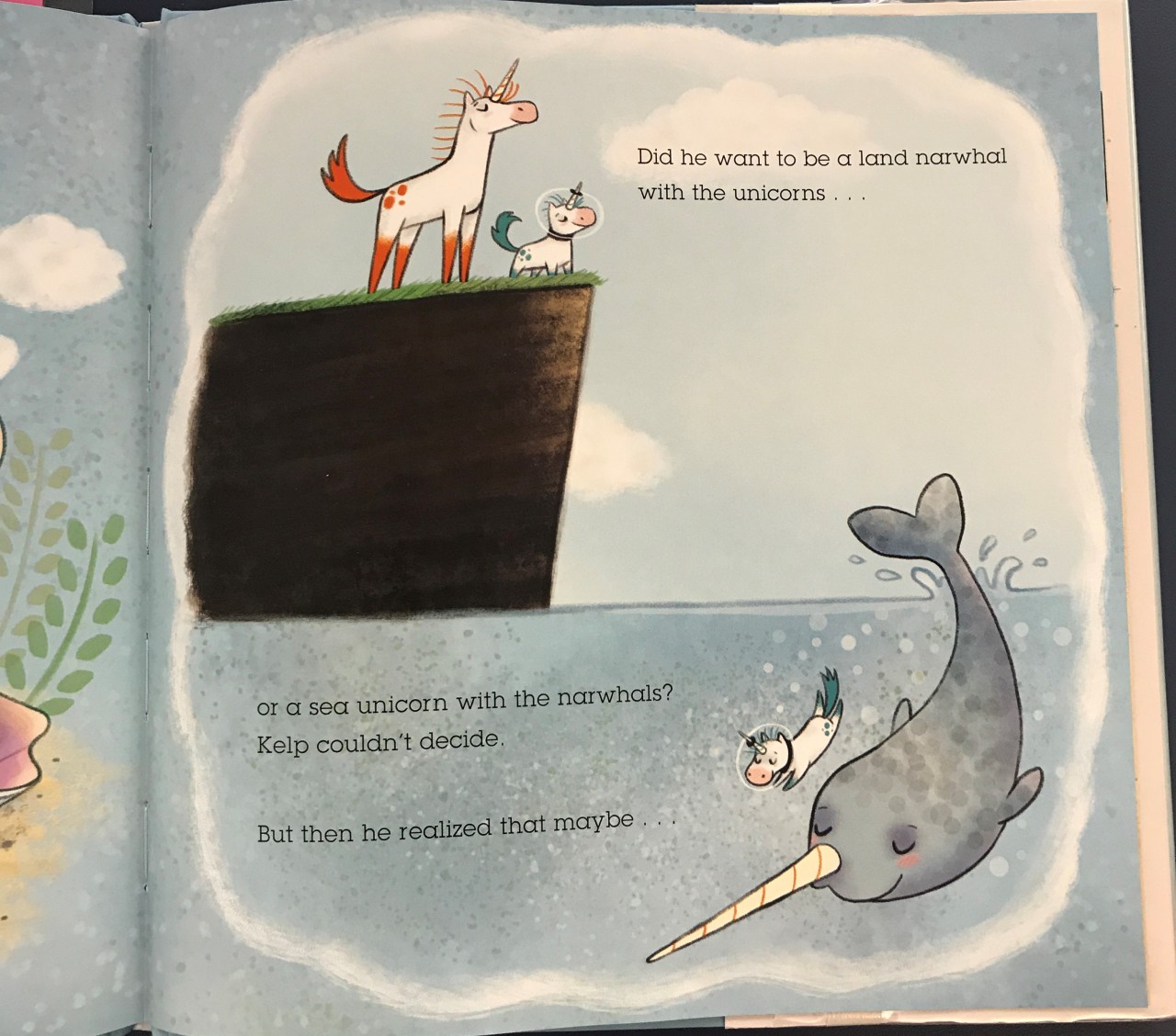
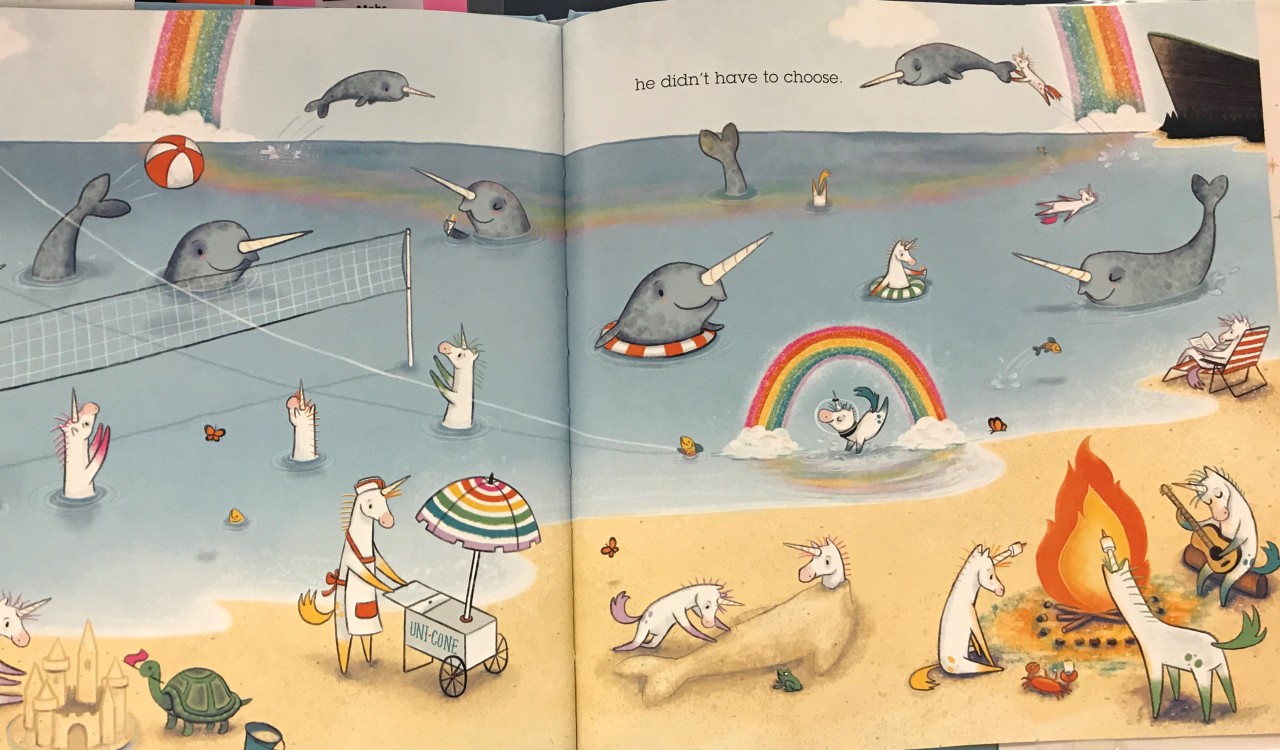
It’s an adorable story about a little “narwhal,” living with a narwhal family under the sea, but take a closer look.
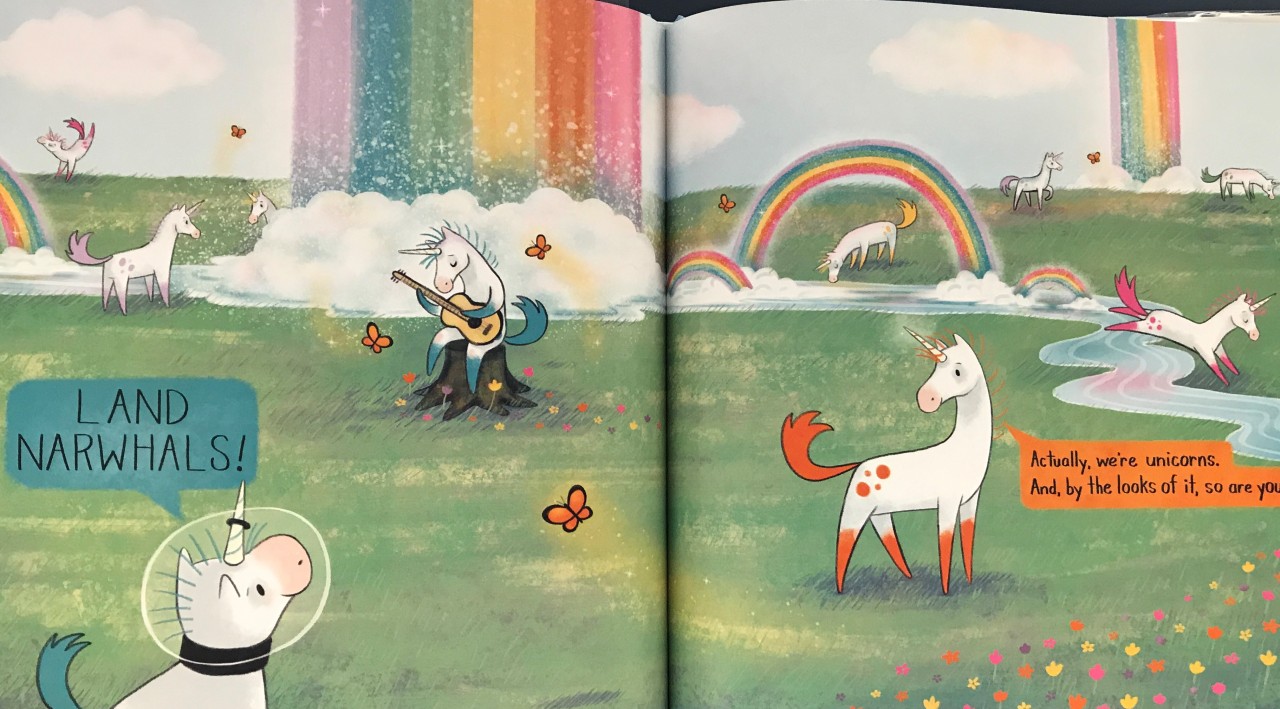
Over the following pages, Kelp struggles to fit in. Kelp is different in so many ways; nothing ever feels fully right. Eventually, by pure chance, Kelp happens to get blown off by a stray ocean current and winds up on the ocean surface, where a remarkable discovery is made.
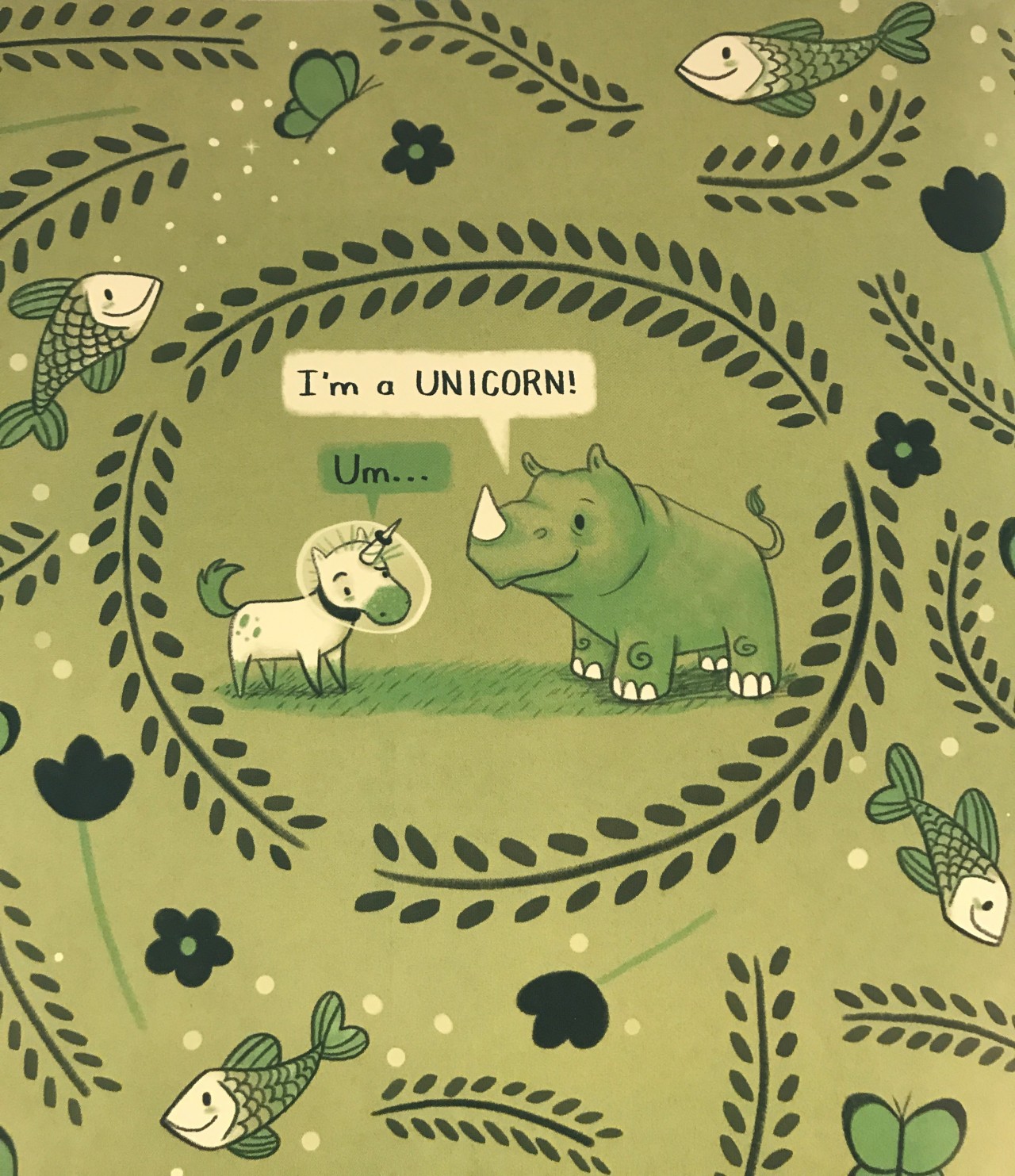
Um. Wow.
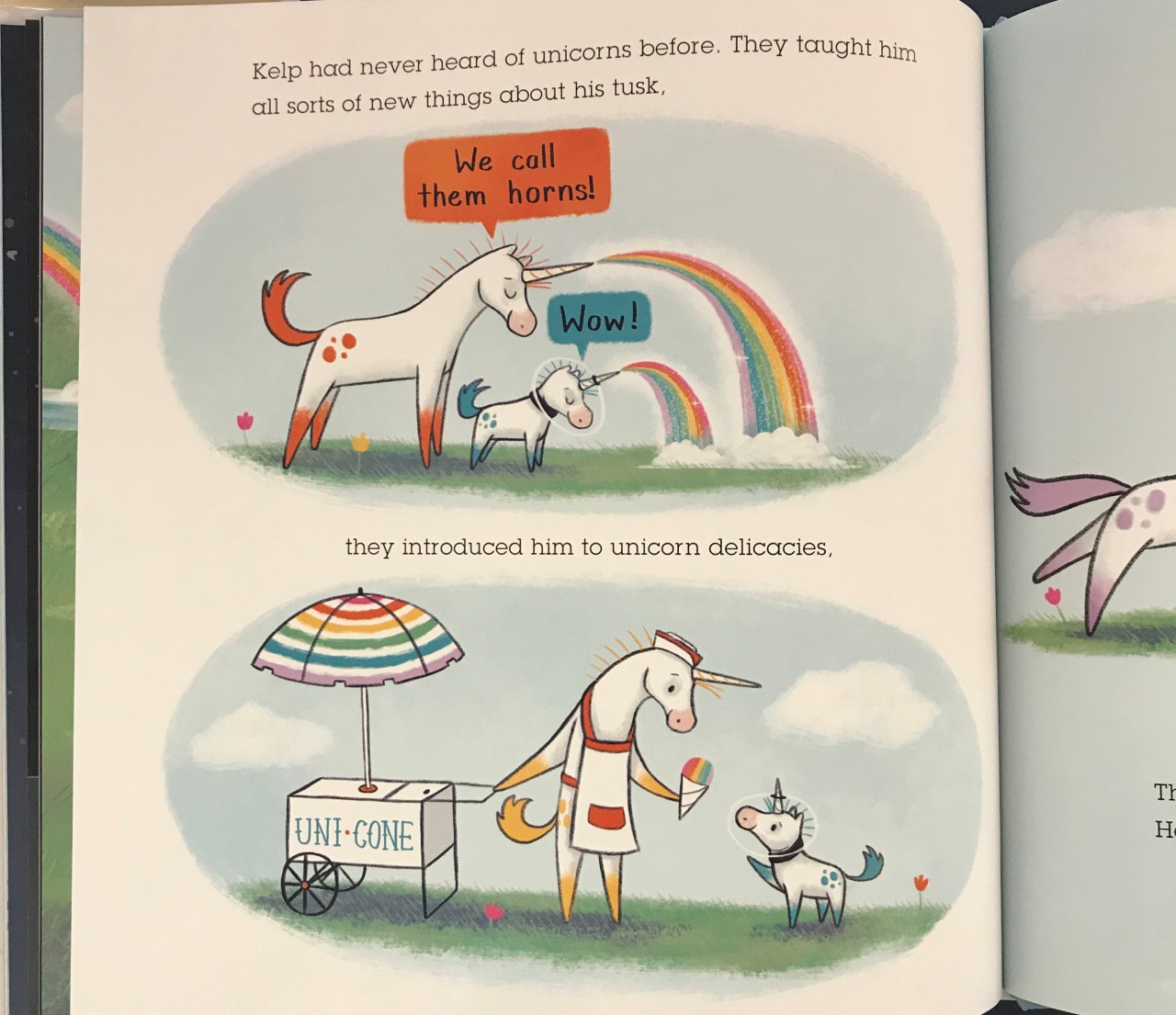
And despite their nervousness…
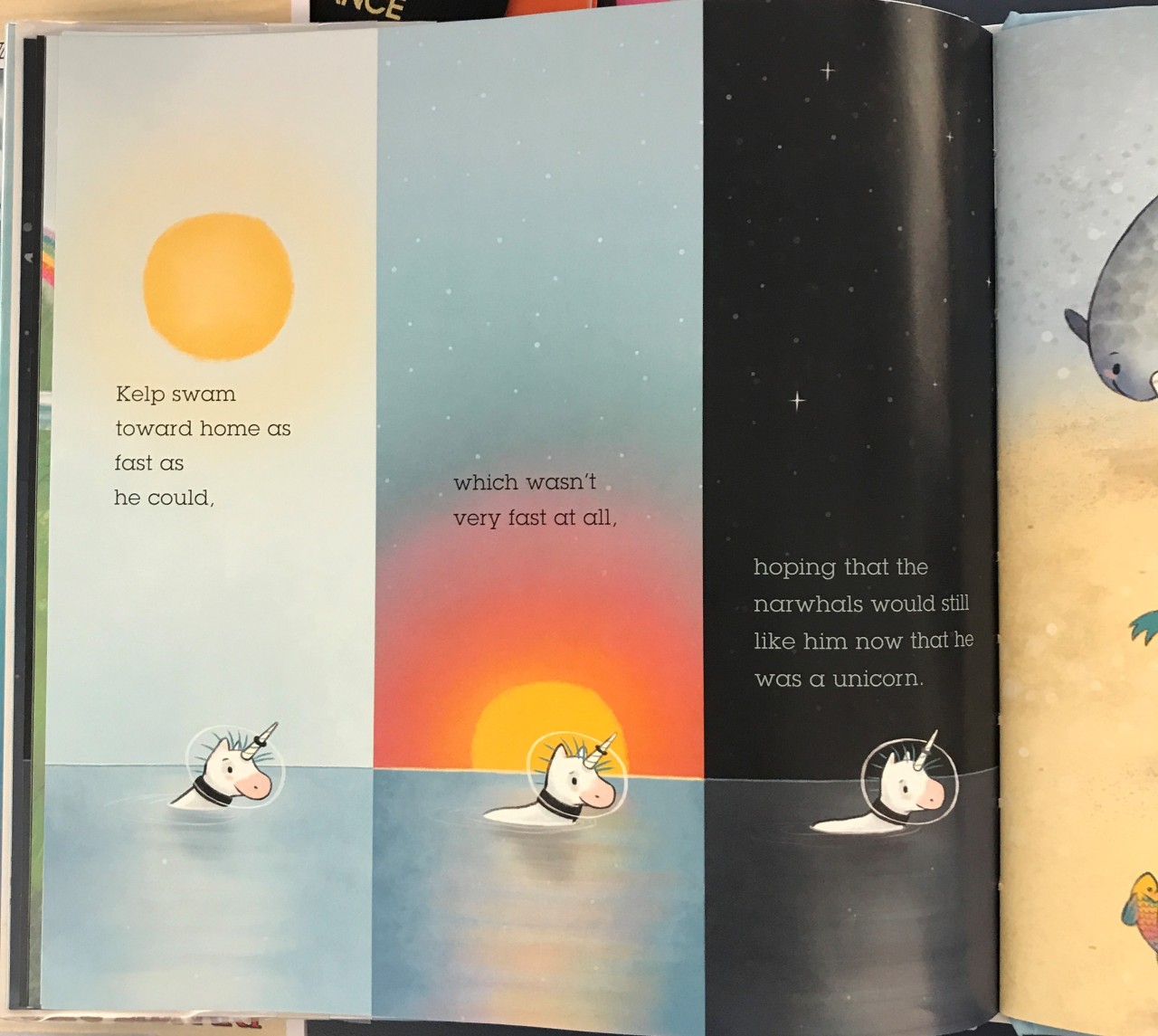
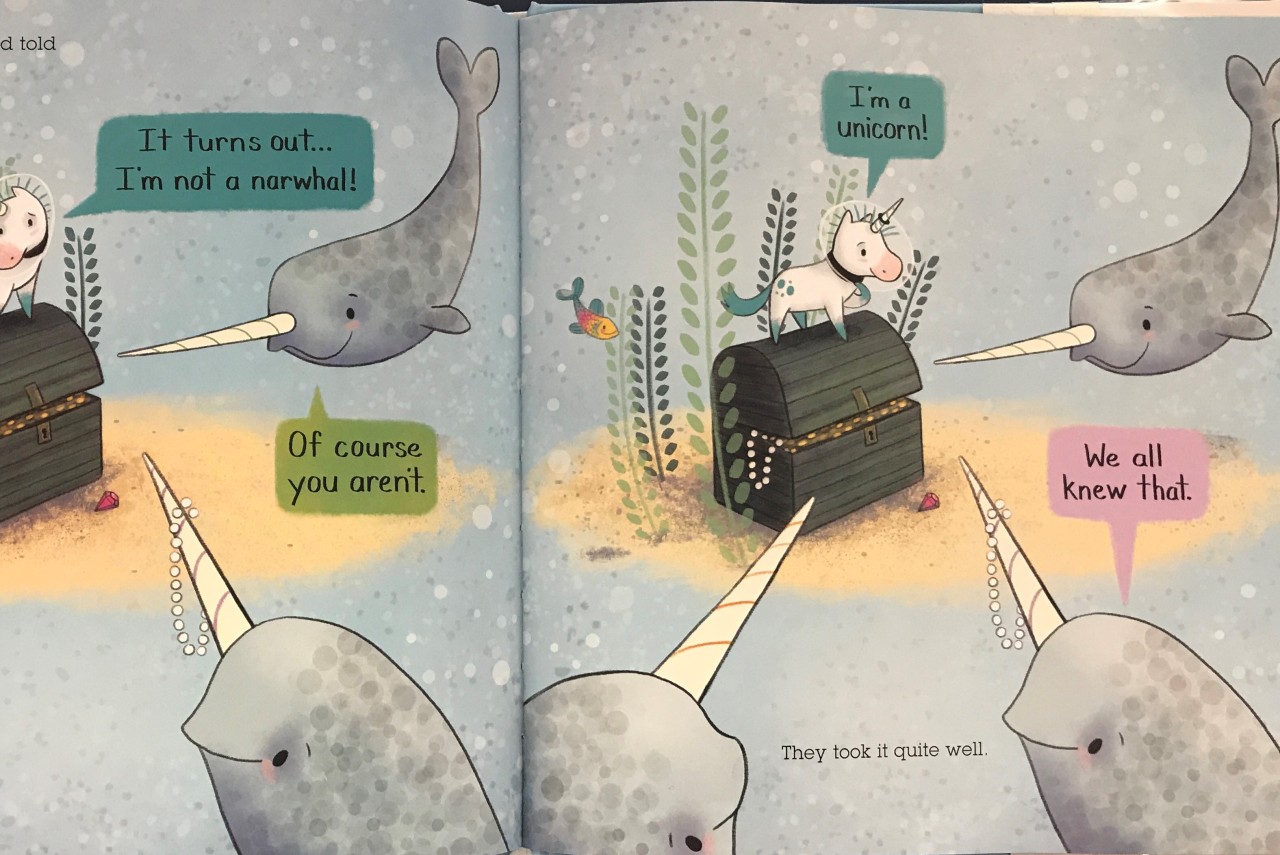
Hurray! And then the question:
I’m dead. This book killed me. So much perfectness was never to be survived. Kelp, I love you.
(And you, too.)
And yes, I realize that it could just be a lovely story about a narwhal, not a metaphor for anything bigger, but isn’t that the beauty of all the best sorts of books?













 SourFlame